
Complete Guide to House Painting in Mesa, AZ: Costs, Prep & Timeline
Published March 24, 2026
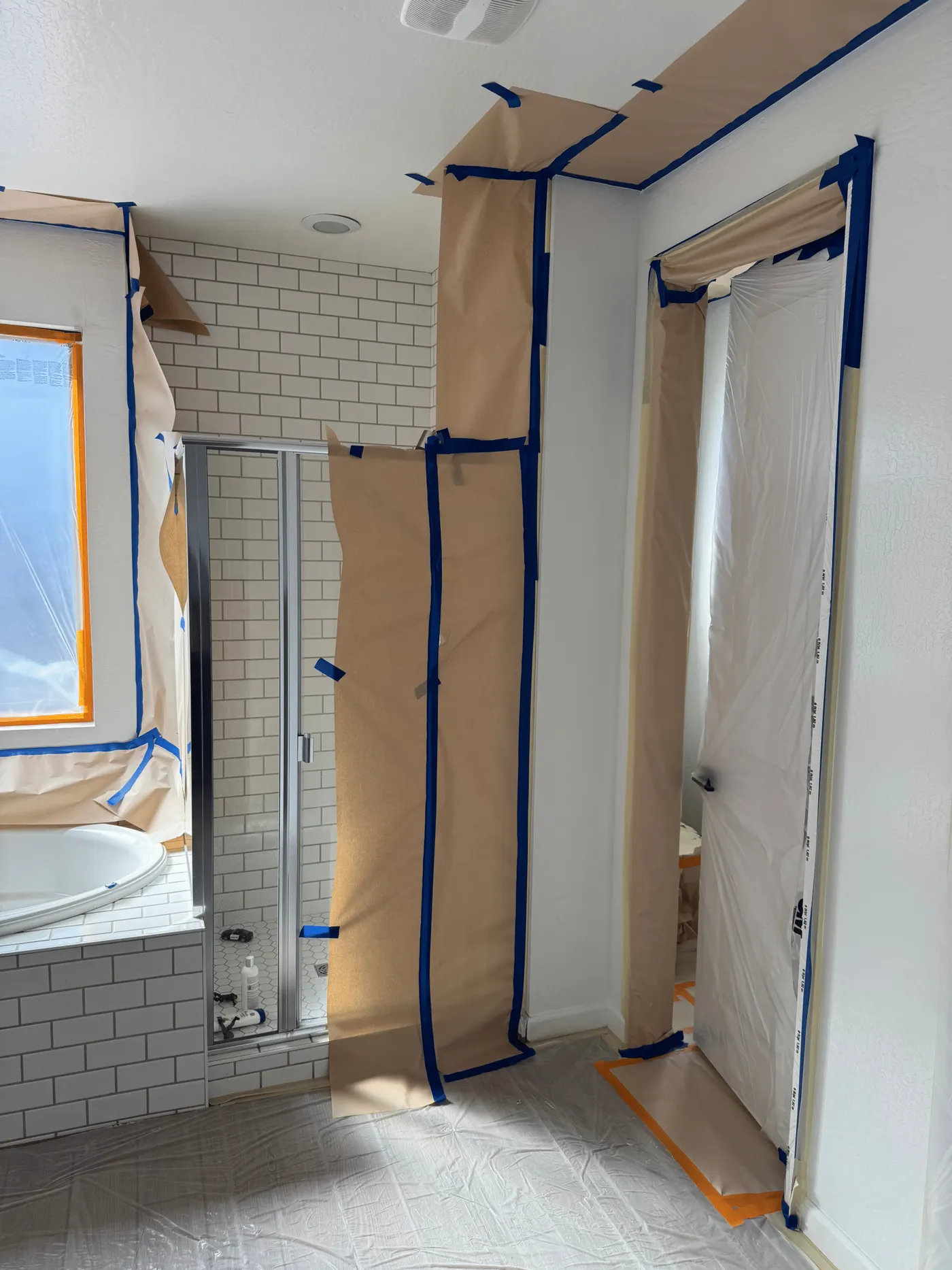
Repainting your home is one of the most rewarding improvements a Mesa homeowner can make. Done right, it refreshes the entire look of your property, adds real market value, and protects your walls and exterior surfaces from Arizona’s demanding climate. Done poorly — or rushed without proper preparation — it fades, peels, and chips within a couple of years, leaving you spending twice.
Whether you’re painting the interior of your home, the exterior, or both, this guide walks you through everything you need to know before making a single decision: what it costs in Mesa, how long it takes, what preparation actually involves, and what separates a paint job that lasts from one that doesn’t.
Why House Painting in Mesa Is Different From Most Places
Mesa’s desert climate creates conditions that no paint guide written for the Midwest or East Coast fully accounts for. Before diving into costs and timelines, it’s worth understanding the environment your paint is going up against.
UV intensity. Arizona receives more sun hours annually than almost any other state. Ultraviolet radiation is the primary enemy of exterior paint — it breaks down the binders in the paint film, causing fading, chalking, and eventually cracking. Low-quality exterior paint that might last 7–10 years in a moderate climate can fail within 3–4 years on a Mesa exterior.
Temperature extremes. Mesa experiences temperature swings from above 110°F in summer to near-freezing on winter nights. This thermal cycling causes exterior surfaces — wood, stucco, block, and even certain composites — to expand and contract repeatedly. Paint must have adequate flexibility to move with the substrate, or it will crack and allow moisture intrusion.
Monsoon season. The late summer monsoon brings sudden, intense rain after months of extreme heat and dryness. Surfaces that weren’t properly sealed or primed are particularly vulnerable to moisture infiltration during monsoon season, which can cause bubbling, peeling, and mold growth behind the paint film.
Dust and particulate. Mesa’s desert environment means exterior surfaces accumulate fine dust and particulate matter continuously. Proper surface preparation before painting — including washing and degreasing — is essential, because paint applied over dusty or chalky surfaces simply won’t bond correctly.
All of this shapes every recommendation in this guide. The cost, the preparation requirements, the paint product selection, and the timing of the project are all influenced by Mesa’s specific climate.
What Does House Painting Cost in Mesa, AZ?
Painting costs vary significantly depending on the scope, surface type, condition of existing surfaces, and the quality of materials used. Here are realistic ranges for Mesa homeowners:
Interior painting:
-
Single room (average 12×12)
-
Full interior of a 1,500 sq ft home
-
Full interior of a 2,500 sq ft home
-
Full interior of a 3,500+ sq ft home
Exterior painting:
-
Single-story home (1,500–2,000 sq ft)
-
Two-story home (2,000–3,000 sq ft)
-
Large two-story or custom home
Stucco exterior (common in Mesa): Stucco requires more preparation and more paint product due to its porous, textured surface. Add 15–25% to standard exterior estimates for stucco homes.
What drives cost variation:
Several factors move the final price up or down significantly:
Surface condition is the biggest variable. A home that simply needs a fresh coat over a sound existing paint job requires far less labor than one with peeling paint, chalking surfaces, hairline cracks, or stucco damage that needs patching before painting. Remediation work is labor-intensive and necessary — any contractor who skips it is setting you up for a paint job that fails prematurely.
Paint quality matters enormously. In Arizona’s climate, using cheap exterior paint to save $200 on a $4,000 job is a false economy. Premium exterior paints designed for UV resistance and temperature flexibility — products like Sherwin-Williams Emerald, Duration, or PPG Timeless — cost more per gallon but deliver dramatically longer service life and better color retention. The paint product itself typically represents 15–25% of the total project cost.
Number of colors and complexity affects labor time. A straightforward two-color scheme (body and trim) is faster than a five-color scheme with detailed accent work. Intricate architectural features, shutters, decorative elements, and multi-level rooflines all add time and therefore cost.
Access requirements affect exterior projects. Homes that require significant scaffolding or specialized lift equipment for tall gable ends or second-story surfaces have higher labor costs than single-story homes accessible with standard ladders and extension poles.
The Painting Process Step by Step
Understanding what a professional painting project actually involves helps you evaluate any contractor you’re considering and understand why properly done painting takes the time it does.
Step 1: Inspection and assessment. Before any project begins, a thorough walkthrough identifies surface issues that need to be addressed before painting — peeling, cracking, mold, rot, gaps in caulking, stucco damage, and areas where the existing paint has lost adhesion. These issues are not cosmetic; they are structural problems that will cause a new paint job to fail if not corrected first.
Step 2: Surface preparation. This is the most important step in any paint project and the one most commonly shortchanged by low-quality painters.
For exteriors, preparation includes: pressure washing to remove dirt, dust, chalk, and mold; scraping all loose and peeling paint; sanding rough edges to create a smooth transition; filling cracks and holes with appropriate patching compound or caulk; re-caulking all joints, gaps around windows and doors, and penetrations through the exterior; spot-priming all repaired areas and bare surfaces.
For interiors, preparation includes: protecting floors, furniture, and fixtures with drop cloths and masking; filling nail holes, dents, and minor cracks with spackling compound; sanding smooth after filling; caulking gaps along trim, baseboards, and crown molding; cleaning surfaces that have grease, smoke, or residue that would prevent paint adhesion.
Proper surface preparation on a typical Mesa home typically takes one to two full days before a single drop of finish paint is applied. A painter who arrives and starts rolling paint within the first hour of the first day is skipping preparation — and you will see it in the results within a year or two.
Step 3: Priming. Primer is not always required on every surface but is essential in several situations: bare wood or previously unpainted surfaces; stucco or masonry; surfaces with significant staining (water damage, smoke, tannin bleed); surfaces transitioning from a dark to a light color; and any spot-repaired areas. Skipping primer where it’s needed is another common shortcut that causes adhesion failures.
Step 4: Paint application. Professional painters use a combination of spraying, rolling, and brushwork depending on the surface. Exterior stucco is typically sprayed and back-rolled — sprayed on for penetration into the texture and then rolled to ensure even film build and eliminate drips. Interior walls are typically rolled, with cut-in brushwork at edges, corners, and trim lines.
Most quality interior and exterior paint jobs require two finish coats for adequate film build and coverage. A single coat may look acceptable initially but will show uneven coverage and sheen, and will not provide the film thickness needed for durability.
Step 5: Final walk-through and touch-up. A professional crew performs a detailed walk-through before completion, addressing any missed areas, holidays in coverage, or overspray. You should participate in this walk-through and feel comfortable pointing out anything that doesn’t look right before giving final approval.
How Long Does House Painting Take in Mesa?
Timeline varies with project scope and weather, but here are realistic ranges:
Interior painting (full home):
-
1,500 sq ft home: 3–5 days
-
2,500 sq ft home: 5–8 days
-
3,500+ sq ft home: 7–12 days
Exterior painting:
-
Single-story home: 3–5 days
-
Two-story home: 5–8 days
-
Complex or large home: 8–14 days
Weather and timing considerations for Mesa:
The ideal painting conditions are temperatures between 50°F and 90°F with low humidity and no rain in the forecast. In Mesa, this points to spring (March–May) and fall (September–November) as the optimal exterior painting seasons.
Painting in Mesa’s peak summer heat presents challenges. Above 95°F, exterior paint can dry too quickly on contact with the hot surface before it can properly level and bond — a condition called “dry spray” that creates a rough, poorly adhered film. Most professional painters in Mesa schedule exterior work in the early morning hours during summer months and avoid painting on surfaces in direct afternoon sun.
Painting in the weeks immediately before or during monsoon season (late June through September) requires careful planning to avoid applying fresh paint that could be hit by a monsoon storm before it fully cures.
Choosing the Right Paint for Mesa’s Climate
Not all exterior paints are created equal, and in Arizona’s climate the difference between product grades is directly visible in real-world performance.
For Mesa exteriors, look for: 100% acrylic latex formulations (superior flexibility and adhesion over alkyd/oil); high-build products that fill minor surface texture; products with stated UV resistance and color retention warranties; and minimum 50% volume solids content for adequate film build.
For interiors, sheen selection matters practically. In Mesa homes, where dust is a constant reality, slightly higher sheens (eggshell or satin rather than flat) on walls make cleaning far easier without the washed-out appearance of semi-gloss on large wall areas. Kitchens, bathrooms, laundry rooms, and trim should use semi-gloss or gloss for washability and moisture resistance.
Getting an Accurate Quote
When requesting quotes from Mesa painting contractors, make sure each quote includes: a specific description of the prep work included; the paint brand, product line, and sheen; the number of coats; whether primer is included and where it will be applied; and the warranty on labor.
Comparing quotes that don’t specify these details is comparing apples to oranges. A quote of $2,800 that includes full prep, premium paint, and two coats is genuinely cheaper than a $2,400 quote that skips preparation and uses builder-grade paint.
Maricopa Valley Painting provides transparent, detailed written quotes for every project in Mesa and the surrounding Valley. Call us or request a free estimate online to get started.